
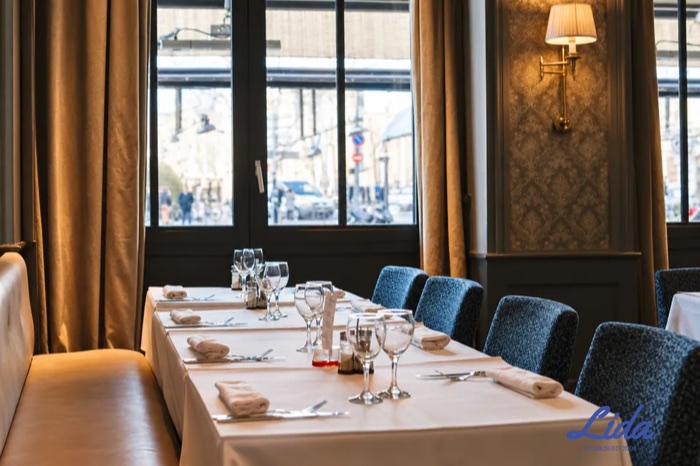
How to Choose a Wine Glass Assortment for a Restaurant
A restaurant wine glass assortment should follow the wines you serve and the way your team serves them. A single all-purpose glass can cover a short by-the-glass list. A separate red and white pair gives each part of the list its own presentation. A larger range makes sense only when the added shapes earn their place in service, storage and reordering.
Start with the menu, then shortlist actual model codes. Test the intended pours in samples, check the glasses against your racks and shelves, and keep the approved specification for later orders. The Lida models below are examples for that process, not a prescribed set for every restaurant.
Start with a service brief, not a glass catalogue
List the wines that staff pour by the glass, the bottles that need a distinct tableside presentation, and any sparkling wines served regularly. Note the actual serving volumes your venue uses. A catalogue's capacity figure describes a glass; it does not set your pour or tell you how that pour will look in the bowl.
Next, look at how the glasses move. A wine bar with a small back bar may need a different assortment from a dining room with a separate glasswashing area. Record where clean glasses wait during service, how they reach the tables, where used glasses return, and which racks or shelves are already in place. If several outlets share inventory, note whether a glass moved between them must match the same model code and appearance.
Make the service brief short enough for a buyer and a restaurant manager to agree on it. It should name the wines and pours, the service setting, the available storage and wash equipment, and the intended appearance on the table. These inputs are more useful than a request for “standard restaurant wine glasses,” which leaves every selection decision open.
For example, a venue with a concise red-and-white by-the-glass list can trial one universal glass against its actual pours. A venue that presents several reds in wider bowls may trial a separate red model. These are possible shortlists, not accounts of Lida customer projects. The menu and a physical sample should decide which option works.
Choose one, two or several wine glass codes
Each extra glass code affects more than the table setting. Staff must recognize it, the bar must store it, and purchasing must reorder the exact item. Keep a code only if it solves a service need the simpler assortment cannot meet.
| Assortment | A useful starting situation | Check before adopting it |
|---|---|---|
| One universal wine glass | A short wine list or an operation that wants one general-purpose stemmed glass | Test the planned red and white pours, guest-facing appearance, rack fit and replacement specification. |
| Separate red and white glasses | The menu or service standard calls for visibly different bowls | Confirm that both models work with the existing racks, shelves and table setting; keep two codes in the purchasing record. |
| A core glass plus selected specialty shapes | A venue wants a standard service glass and a distinct presentation for named wines or occasions | Define when staff use the specialty glass and how its stock, storage and reorders will be managed. |
A universal glass does not have to serve every bottle on the list. It can be the core glass while a wider red bowl is reserved for a defined part of service. Equally, a red-and-white pair does not require a separate glass for every grape variety. Write down the occasions that trigger a different glass so staff and buyers use the same rule.
If the team cannot describe when a proposed third shape will be used, leave it out of the initial sample set. You can add one after service trials show a clear reason. This keeps the first order tied to the restaurant's actual program rather than a supplier's full catalogue.
Compare named Lida models before requesting samples
The table gives catalogue reference dimensions for six machine-made glasses in Lida's current universal, white wine and red wine collections. It is a shortlist of different directions to test, not a claim that the six glasses are interchangeable or equally suited to every wine list.
| Model | Collection | Listed capacity | Height | Rim diameter | Base diameter |
|---|---|---|---|---|---|
| GJ-2203 | Universal | 405 ml | 230 mm | 62 mm | 80 mm |
| GJ-2202 | Universal | 480 ml | 242 mm | 70 mm | 80 mm |
| GJ-1102 | White wine | 408 ml | 210 mm | 65 mm | 75 mm |
| GJ-1101 | White wine | 450 ml | 230 mm | 65 mm | 75 mm |
| GJ-3302 | Red wine, Bordeaux-style | 580 ml | 230 mm | 68 mm | 80 mm |
| GJ-3304 | Red wine, Burgundy-style | 700 ml | 210 mm | 88 mm | 80 mm |
Two details stand out. GJ-2203 and GJ-1101 are both 230 mm high, yet their listed capacities and rims differ. GJ-3304 has the largest listed capacity in this table at 700 ml, but stands 20 mm shorter than GJ-2203. Capacity alone cannot predict shelf height, and a category name cannot establish rack fit.
The listed rim diameter is also not the widest outside diameter of every bowl. Ask for that measurement when a compartment, hanging rail or fitted insert has a width limit. Confirm final dimensions from the current specification and the approved sample before making a fit commitment.
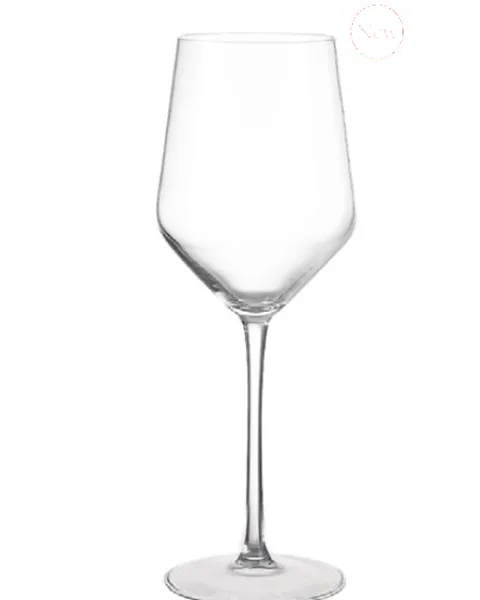
For a one-code trial, compare GJ-2203 and GJ-2202 with the same planned pours. For a two-code trial, a buyer could compare a white model such as GJ-1102 with a red model such as GJ-3302. A venue considering a wider red bowl could add GJ-3304 to its sample list. These are selection examples; the right combination depends on the menu, equipment and appearance your team approves.
Run a service trial with the actual pours
An empty glass shows shape and finish, but it cannot settle the service decision. Pour the venue's chosen red and white wines into each shortlisted sample at the volumes staff will serve. Compare the presentation from a guest's seated viewpoint, then watch a server lift, carry, place and clear the glass. Ask the people who will use the glasses every shift to identify any awkward handling before the order is specified.
Use the same wines, pour volumes and viewing position for each candidate. Photograph each result with its model code in the record. If a wine appears too full, the team can evaluate a different bowl or its own service presentation; the catalogue capacity should never be treated as a target fill line. Keep taste claims separate from what the sample trial actually records.
Check how a proposed two-code assortment looks together. Put the red and white samples on a fully set table and view them beside the venue's water glass, plates and menu. A pair can have sensible individual dimensions yet look mismatched in stem, foot or overall profile. A restaurant that values a matched table setting should approve the pair together, not each glass in isolation.
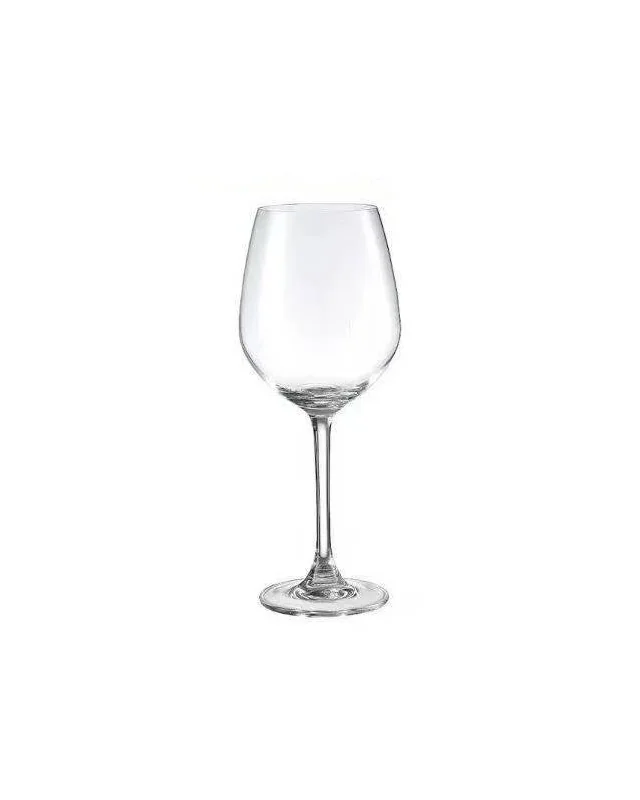
Make a simple pass/fail record for each sample: intended wines and pours, visual result, carrying and clearing, table setting, rack and shelf fit, and any finish or care question still awaiting confirmation. Do not approve a model because one photograph looks attractive. The signed-off sample and its code need to describe the glass staff actually tested.
Check glass racks, washing and storage before committing
Bring the proposed glass into the dishroom. A compartmented rack needs room for the glass's widest outside point and enough protective height; a rail or shelf has different clearance rules. Compare the rack manufacturer's usable internal dimensions with the measured sample, including the bowl, rim, stem and foot. The table above gives total height, rim and base diameters, but it does not prove compatibility with a particular third-party rack.
Test a sample in the actual rack and in the way staff load and unload it. Check that adjacent glasses do not contact each other and that the selected rack clears the machine and stacking setup. A glass that fits an empty compartment on paper may still be awkward for the team to handle. Record the rack model and configuration alongside the approved glass code so a future equipment change triggers a fit review.
Storage deserves its own check. Measure the usable shelf height and depth, then account for how staff reach the back row. A 210 mm glass may solve a height limit but still have a bowl or foot that occupies more width than expected. GJ-3304, for instance, is shorter than GJ-2203 in the table while its rim is 26 mm wider. Ask for the maximum bowl width before treating those two models as alternatives for a fixed-width rack.
Confirm washing and care instructions for the exact model and any decoration or finish you order. A catalogue description and photograph do not establish dishwasher suitability for every configuration. If you plan a branded glass, evaluate the decorated sample under the care routine your operation will use.
Set order quantities from the service cycle
Once the assortment is selected, calculate how many of each code the venue needs during its busiest relevant service period. Count where glasses sit at the start of a shift, how many can be in use at once, how long they take to return from tables and become ready again, and whether banquets or private events draw from the same stock. Use the restaurant's own figures rather than a fixed multiplier borrowed from another venue.
For a universal program, most wine service draws from one code. A two-code program divides demand between red and white glasses, so a total stock number alone is not enough. A specialty bowl used for a narrow part of the list needs its own peak-use estimate and storage location. Keep any expected replacement stock separate from opening-service stock in the purchase record; the numbers answer different questions.
If several restaurants share a central supply, specify whether each location keeps local replacements or requests them from the shared stock. That choice affects how a reorder is triggered. It does not change the approved model code. A fuller stocking calculation deserves its own worksheet; the assortment decision here is to identify which distinct glasses require separate counts.
Approve a sample and a repeatable purchase specification
The selected glass needs a record that another buyer can use months later. Include the full model code, production method, listed capacity, total height, rim and base dimensions, approved photograph, and physical sample reference. Add the maximum bowl width when rack or packing fit depends on it. If logo decoration, a particular finish or a matching set is required, identify that exact approved version.
Request the proposed inner pack and outer carton specification for the chosen codes. A restaurant receiving several locations' stock may need clear labels and consistent case identification; a distributor may need a different packing format. Confirm the packing plan and any model-specific commercial terms in the quotation. This article does not assume a standard pack count, minimum order quantity or lead time for the models shown.
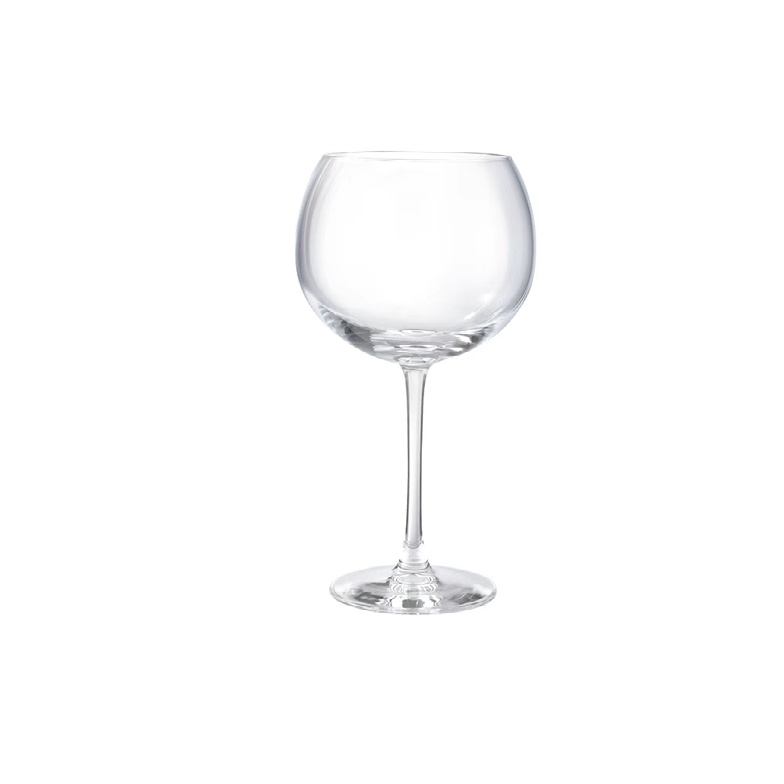
Before placing a repeat order, compare its model code, approved sample and any decoration proof with the original purchase record. “Red wine glass, 700 ml” is not a sufficient replacement specification. In the Lida range, the model code distinguishes one bowl and set of dimensions from another. The same discipline helps a new buyer, restaurant manager or purchasing team maintain the intended table setting.
Turn the shortlist into a buying decision
Choose the fewest glass codes that meet the venue's wine service brief, then test those codes under real service and storage conditions. For each candidate, record the intended wines, actual pour, rack and shelf fit, approved sample, care questions and final packing specification. A model that fails an operational check should leave the shortlist even if its catalogue capacity looks suitable.
Browse Lida's universal, red and white wine glass collections for additional model photographs and codes. If you have a short list, share it through the Contact page with your intended service uses, approximate quantities, destination and any rack or packing dimensions that must be checked. That gives the team a concrete basis for sample and quotation discussions.