
How to Plan a Bulk Wine Glass Order for Restaurant Groups
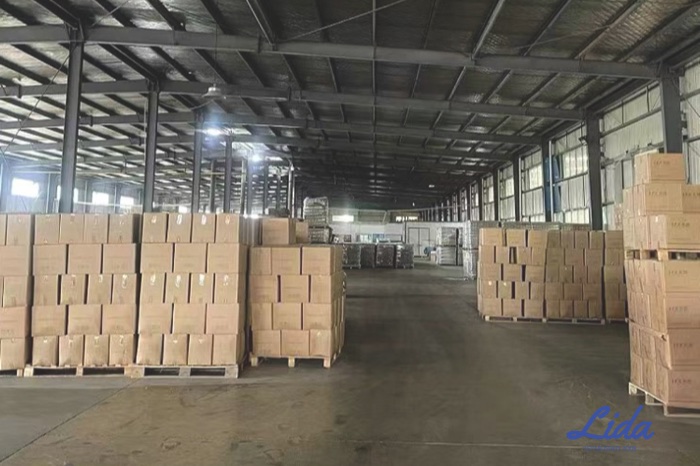
For a restaurant group, distributor or importer, 2,000–3,000 wine glasses per style can be a practical range to quote when several outlets or accounts will share the stock. It is a factory purchasing range, not the number one dining room needs on its shelves. Lida's selected stocked machine-made models start at 2,000 pieces per model; hand-blown models start at 3,000. Confirm the current minimum, stock and packaging for each code before ordering.
The decision is how many cartons of each approved style to buy, and whether those cartons can ship economically together. The five-style example below uses Lida's actual carton specifications and an about 27 m³ working load for a 20-foot container. The final fit and freight cost still require a loading plan and comparable quotes.
Set quantities from demand across the buyer's accounts
For each model code, add the confirmed opening allocations for each restaurant or customer, expected sales before the next replenishment, and a replacement reserve. Subtract usable stock already held. Keep the destinations next to the quantities: an importer buying 2,000 glasses against several customer orders has a different inventory risk from one restaurant buying 2,000 without a use plan.
If a local distributor supplies small replacement orders to individual restaurants, it can combine those accounts into one factory purchase. A group with multiple properties can do the same through a central warehouse. Use the restaurant assortment guide to choose shapes for service; use the carton calculation here to place the wholesale order.
Keep committed demand separate from forecasts. One universal glass may turn faster than a Burgundy bowl or Champagne flute, so an equal quantity for every model may leave slow stock in the warehouse. Increase a proven line toward 3,000 pieces when accounts can use it; keep a less certain line near its confirmed minimum or leave it out of the first shipment.
Choose the styles before calculating the container
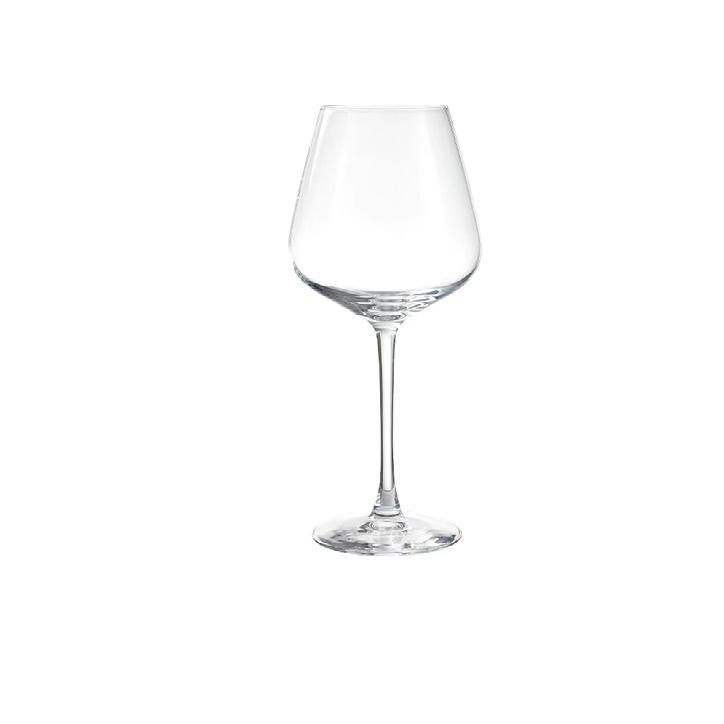
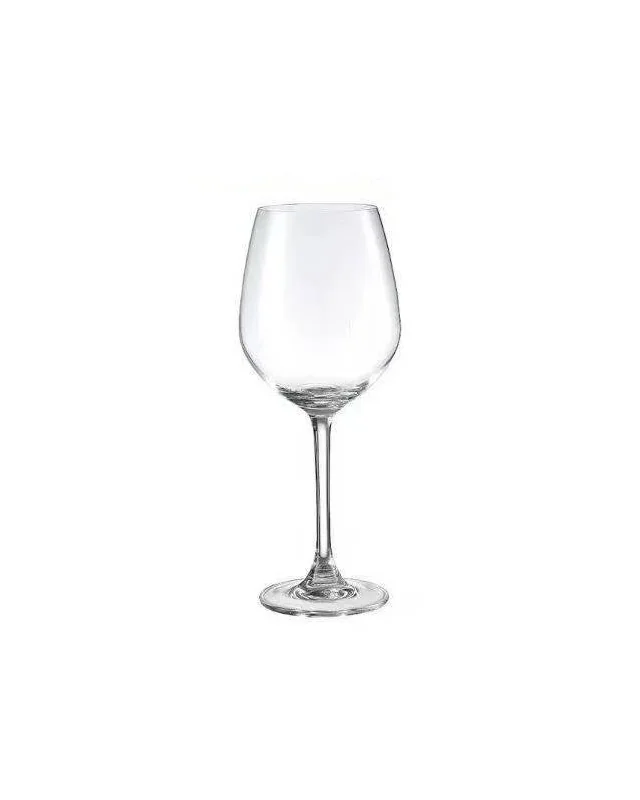
This example includes GJ-3302 for red wine, GJ-1102 for white, GJ-2203 as a universal glass, GJ-3304 for a Burgundy-style red bowl, and XB-01 as a Champagne flute. They appear in Lida's red, white, universal and Champagne collections. A buyer with a short wine list may need fewer codes; the five-style mix is an example for a broader range.
Approve physical samples and the packing version for each code before assigning 2,000–3,000 pieces. Compare stem, base and bowl presentation across the range if the glasses will appear together. A replacement model or a different inner pack can change carton dimensions, unit price and the loading calculation.
For a restaurant group, test the approved sample in the actual serving and washing workflow, including the racks and storage shelves that will hold it. For a distributor, retain the approved sample and code in the purchasing record so the next shipment matches the one buyers accepted. These checks determine which styles deserve a larger reorder; a category label alone cannot do that.
Calculate cartons from the approved packing sheet
The two branded-box lines below contain six glasses per inner box and 48 per outer carton. The other three use unbranded Egg Pack packaging. For these rows, the G suffix means the Egg Pack version of the same base glass style. Order and calculate against the exact packing line, even when the glass body is unchanged.
| Packing line | Pieces per carton | Outer carton L × W × H | Listed CBM per carton |
|---|---|---|---|
| GJ-1102, branded box | 48 | 53.8 × 36.6 × 45 cm | 0.089 m³ |
| GJ-3302, branded box | 48 | 64.4 × 43.8 × 48.4 cm | 0.137 m³ |
| GJ-2203G, Egg Pack | 48 | 51.7 × 34.7 × 47.7 cm | 0.086 m³ |
| GJ-3304G, Egg Pack | 36 | 71.5 × 36.1 × 43.6 cm | 0.113 m³ |
| XB-01G, Egg Pack | 48 | 45.1 × 30.3 × 51 cm | 0.070 m³ |
Round each requested quantity to complete cartons. A 2,000-piece target becomes 2,016 pieces: 42 cartons for a 48-piece line or 56 cartons for GJ-3304G's 36-piece line. A 3,000-piece target becomes 3,024 pieces: 63 or 84 cartons respectively. On the listed, rounded CBM figures, roughly 2,000 of all five styles totals 224 cartons, 10,080 glasses and 22.372 m³. Roughly 3,000 of all five totals 336 cartons, 15,120 glasses and 33.558 m³—too much for the 20-foot-container plan described below.
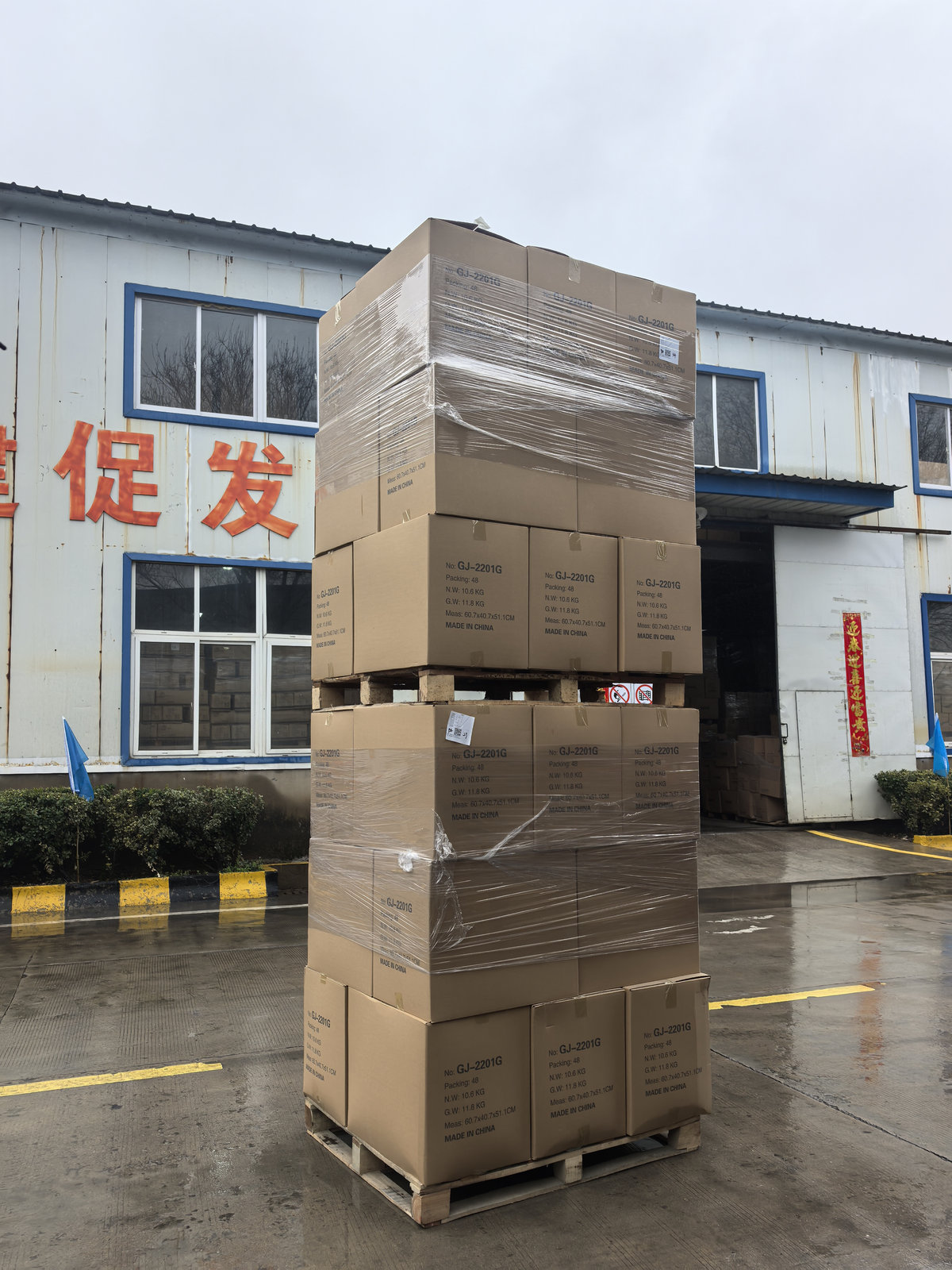
Ask for a revised packing sheet if the inner box, divider, logo work or pallet arrangement changes. Obtain the gross weight per carton as well as dimensions and CBM before checking a container's weight limit. The calculation here uses carton volume only; the final packing list must supply the weight.
Build a mixed load around the usable container space
A standard 20-foot dry container has about 33.2 m³ of nominal internal volume, according to Maersk. For this glassware, Lida normally plans around 27 m³ of usable load. Carton orientation, pallets, stacking limits and door clearance mean the nominal figure is not a safe carton target.
The following five-style quotation candidate uses 26.666 m³ on the listed-carton-CBM basis:
| Packing line | Cartons | Pieces | Listed carton volume |
|---|---|---|---|
| GJ-1102, branded box | 61 | 2,928 | 5.429 m³ |
| GJ-3302, branded box | 61 | 2,928 | 8.357 m³ |
| GJ-2203G, Egg Pack | 42 | 2,016 | 3.612 m³ |
| GJ-3304G, Egg Pack | 56 | 2,016 | 6.328 m³ |
| XB-01G, Egg Pack | 42 | 2,016 | 2.940 m³ |
| Total | 262 | 11,904 | 26.666 m³ |
That leaves 0.334 m³ below the 27 m³ working target on paper, but does not guarantee a physical fit. Lida and the forwarder need to check the carton layout and gross weights. If the layout needs more room, removing two GJ-3302 cartons would lower the listed volume to 26.392 m³. Lida can discuss mixing eligible in-stock machine-made styles, subject to the confirmed quantities, packaging and readiness of every line.
Before booking, confirm whether the load will be palletized or loaded as cartons, where the heaviest cartons will sit, and how each style will be identified at unloading. A mixed container also needs all its lines ready at the same time: one model awaiting production can hold up the shipment even if the other cartons are packed. Use the final carton count and marks in the loading diagram and packing list.
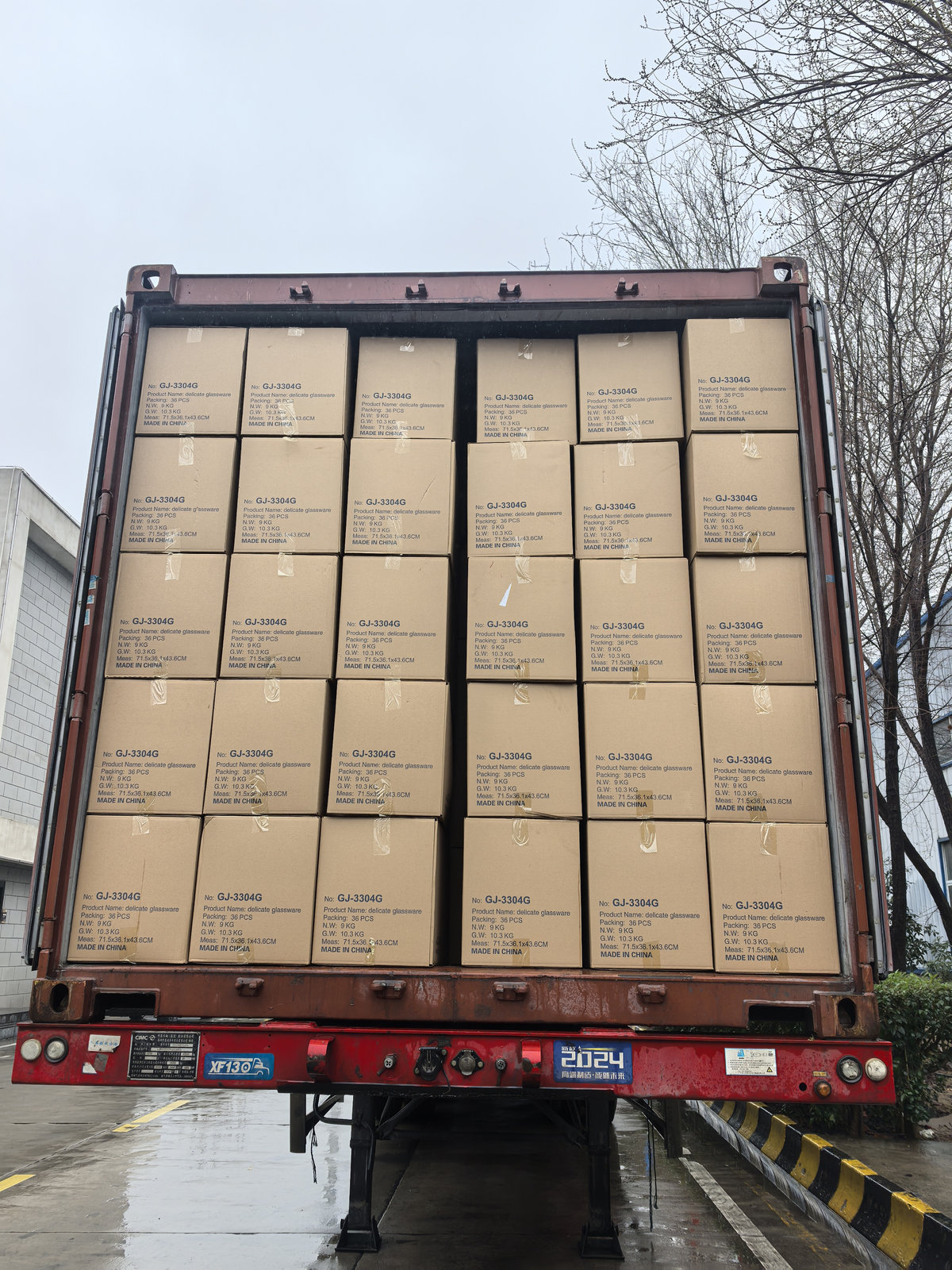
Compare LCL and FCL for the same cargo
Combining styles in one 20GP may reduce freight per glass, depending on the route and quote. Maersk's LCL/FCL guide describes the distinction: LCL is generally charged by cargo volume, while FCL pays for exclusive use of the container. An underfilled FCL still incurs the container charge.
Ask a freight provider to quote the same 11,904 glasses and 262 cartons, destination and delivery scope as both LCL and FCL. Include origin handling, ocean freight, destination charges and inland delivery in each total. Divide the comparable delivered totals by 11,904 to see the freight cost per glass. Also account for the cost of holding stock until customers use it; more pieces only help if there is demand and storage capacity.
State the same commercial terms and delivery point on both quote requests. A low ocean line item can be offset by terminal, handling or truck charges elsewhere in the quote. If the buyer is comparing a smaller LCL purchase with a larger FCL purchase, calculate the delivered cost per glass for each actual order and include the extra inventory in the decision.
Send a quote-ready model and packing list
Send Lida the approved model codes, proposed pieces per code, destination, packaging version, logo requirements and target shipping window through the Contact page. State whether the buyer wants the eligible lines reviewed as one mixed 20GP. Ask Lida to confirm per-code availability, final packing specifications and a loading plan; use those confirmed cartons for the freight comparison before fixing the purchase quantities.
The quotation should show each code and packing version on its own line, with full-carton quantity, unit price, carton dimensions and gross weight. Keep the approved sample and artwork reference with that line. The buyer can then check the received cartons against the same specification and reorder without guessing which version was supplied.